Most people plan to discover CPR and first aid at some time. After that job conferences stretch late, children' tasks load weekend breaks, and that good objective slides down the priority listing. I have enjoyed it occur for years while running first aid and CPR training classes for busy professionals, parents, and students.
What altered the game was the surge of fast first aid courses and express CPR training alternatives that appreciate limited routines without watering down the life-saving skills.
The difficulty is ironing out which fast courses actually deliver solid abilities and a valid first aid certificate, and which ones just rush you past what issues. If you have a crowded calendar and an actual need for training, you need speed and high quality, not one or the other.
This overview walks through just how pressed CPR and first aid Caboolture first aid courses training operates in practice, where fast formats make good sense, and just how to pick a choice that fits your life without leaving you not really prepared in an emergency.

Why short, focused CPR training helps busy people
When I ask students why they postponed training, the tales are comparable. Health and wellness workers stuck on turning shifts. Moms and dads handling child care. Construction workers taking a trip in between websites. They need CPR courses and first aid training to remain utilized or satisfy governing demands, but the concept of shedding a complete day or weekend break in a classroom is a bargain breaker.
Fast first aid training and express CPR courses became a direct response to that fact. As opposed to expecting students to pause their lives, service providers revamped courses around 3 ideas: cut the fluff, use pre-course on-line learning where possible, and develop the focus on the skills that matter under pressure.
The bottom line is this: short does not need to mean superficial, if the course is structured well. As a matter of fact, I have actually seen some learners preserve extra from a three-hour fast cpr correspondence course than from an all-day workshop, since the web content was targeted and they were totally engaged.
Speed ends up being a problem just when it reduces right into method time or misses core subjects. The rest is to smart layout and great teaching.
What "fast" and "express" first aid courses in fact look like
The language about fast first aid courses can be confusing. You will see terms like "express first aid training", "fast cpr", "combined discovering", and "accelerated" thrown around in advertising and marketing. Beneath the tags, most fast choices come under a few practical formats.
Blended understanding: online concept, brief in-person skills
This is the workhorse layout for modern first aid and CPR training. You finish the understanding part online at your own speed, usually simply put components with videos, quizzes, and case instances. After that you go to a short in person session to practice and demonstrate skills.
For example, an express first aid course may consist of 3 to 4 hours of on the internet work followed by a 3-hour in-person course. A typical equivalent could run 6 to 8 hours completely in a classroom. In both, you learn CPR, standard first aid, and how to respond to common emergencies, but the combined variation lets you manage the theory on your own timetable.
This is where many fast first aid courses actually earn their name. You are not spending class time listening to material you could soak up at home. Class hours are scheduled for practicing compressions, utilizing an AED, putting somebody in the recovery position, or overcoming realistic scenarios.
Compressed face-to-face sessions
Some organisations desire every little thing carried out in person, but still need a short time home window. Because case, suppliers frequently develop fast cpr courses or express first aid courses that run, for example, 3 hours instead of a complete day.
These work well as:
- Workplace group sessions run on-site prior to or after changes Short courses for college accomplices or vocational pupils Regularly arranged public classes for individuals hunting "fast first aid course near me"
Because all learning happens online, trainers must move briskly. The far better ones strike a balance in between covering required topics and investing sufficient time on the hands-on parts.
Topic-specific or role-specific express courses
Not every student needs the same deepness. This has actually given rise to targeted alternatives such as:
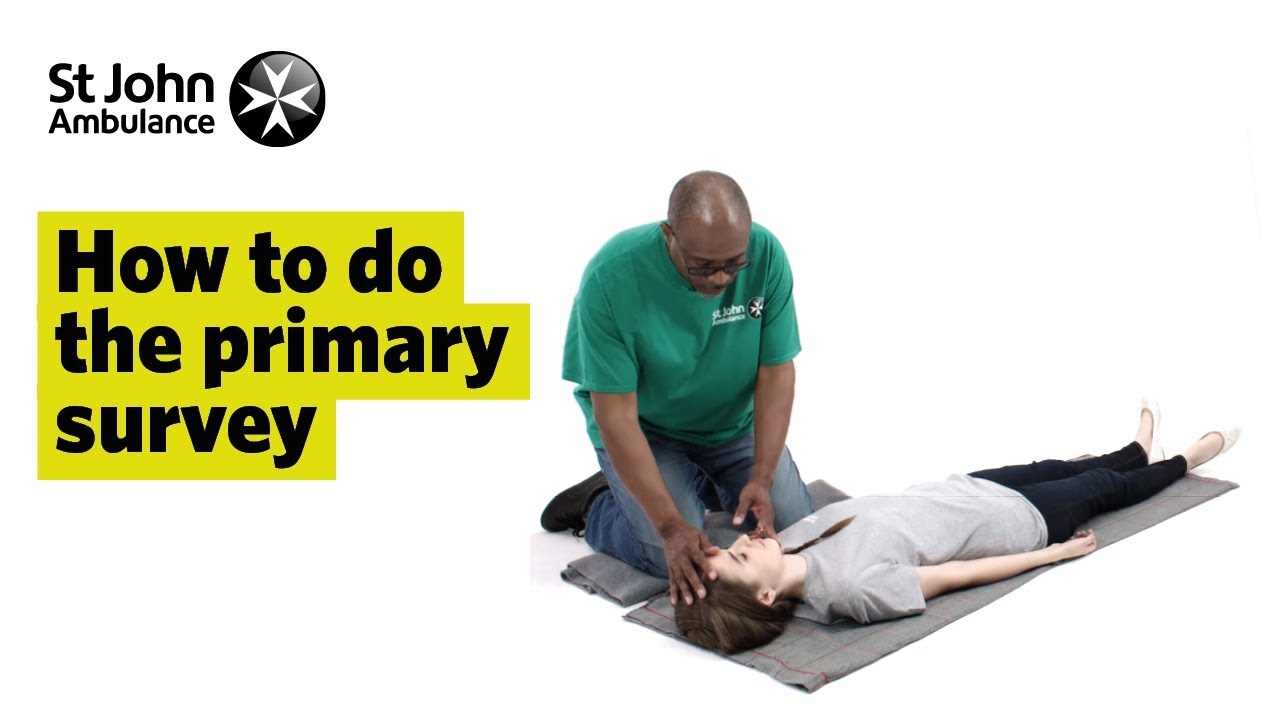
Express child care first aid courses concentrate on infants and children, choking in more youthful age groups, febrile convulsions, allergies, and common house injuries. These are perfect for moms and dads, child care employees, and educators.
Fast cpr correspondence course alternatives are focused on individuals who already hold a first aid certificate or CPR training and just need to upgrade abilities and restore their fast certification. Due to the fact that they include a foundation, the refresher can concentrate greatly on method and updates to guidelines.
FAP first aid or similar course codes (depending upon the nation) suggest particular workplace or market requirements. A compressed version may be offered if regulatory authorities and training carriers settle on a combined or accelerated format.
The main point is simple. If you do not need every progressed subject, you can typically pick a concentrated course that matches your function and shaves down the overall time.
Where rate need to quit: minimum criteria that ought to never ever be rushed
When individuals ask me whether a specific fast first aid course is "good enough", I do not start with the duration. I begin with what can not be sacrificed.
There are a couple of non-negotiables in any type of reputable first aid and CPR course, whether it is identified express cpr, fast first aid, or common training.
First, there should be real, time-on-task practice. Viewing a video of breast compressions does not prepare you for the feeling of doing them on a manikin. When a course packs lots of students right into a room and gives every one a minute or two on the tools, that is not top quality CPR training, despite the length of time or short the day is.
Second, you should have a clear path to a recognised first aid certificate or CPR certificate at the end. Fast certification still needs to satisfy your employer, governing body, or expert organization. That generally means the service provider is accredited by a recognised authority in your area, and the credentials is valid for a defined duration, commonly one or three years for first aid and commonly one year for CPR.
Third, analysis needs to be greater than ticking a box. Excellent first aid and cpr course service providers examination both knowledge and abilities. The knowledge component can be an on-line quiz in a combined first aid and cpr course, yet the skills must be evaluated in person by somebody who recognizes what right technique looks like.
If any one of those items look weak, beware. A fast first aid course is valuable just if it leaves you ready to act when a colleague breaks down or a child starts choking at home.
Choosing the right type of fast first aid or CPR course
The best express first aid training for you relies on your objectives, your schedule, and your previous experience.
If you have never had first aid training, you will desire a course that covers both first aid and cpr in an organized means. Search for first aid and cpr training classes that pack both, instead of attempting to assemble separate cpr courses and standard first aid options. It is extra efficient and gives you a coherent structure for handling an emergency scene.
If you operate in healthcare, building and construction, friendliness, child care, or any type of managed market, begin by inspecting your precise requirement. Some duties demand a details first aid course code, progressed modules, or a certain minimal variety of contact hours. As soon as you understand that, you can search within that classification for blended or fast first aid training options.
If you are a parent, carer, or simply an inspired nonprofessional, you have more versatility. An express cpr course or express first aid course that runs in the night or over a single brief morning commonly fits finest. In my experience, determined parents in express child care first aid training sessions ask a few of one of the most practical inquiries, since they picture their own cooking area, backyard, or auto whenever we discuss a scenario.
And if you currently hold a qualification, do not take too lightly the worth of a fast cpr refresher course. Standards shift nursing science advances, AED triggers modification, and poor routines creep in with time. A 90 minute or 2 hour express cpr training block, concentrated totally on upper body compressions, rescue breaths (where needed), and AED usage, can bring back confidence even more efficiently than trying to review alone from a handbook.
How online, mixed, and in-person formats compare
Many learners ask whether online-only CPR training or first aid courses "count." From a skills viewpoint, the brief solution is no. Seeing video clips does not change hands-on method, specifically for something like breast compressions where deepness, rhythm, and body technicians matter.
What online components can do exceptionally well is provide concept and context. For example, in mixed first aid and cpr courses, I typically assign pre-course product on:
- Legal and moral considerations Basic anatomy and physiology Recognising heart attack vs cardiac arrest Stroke indicators and the FAST list Scene security and infection control
When students show up for the express cpr or express first aid session, they already speak the exact same language. That lets us spend course time on the physical skills: compressions, breaths, utilizing an AED, bleeding control, bandaging, and managing an unconscious yet breathing casualty.
Fully in-person fast first aid courses can still function well, particularly for teams that find out better face-to-face. The danger there is that trainers might feel pressure to "talk" the theory rapidly and shortchange method. If you attend such a session, focus on just how much of the clock is spent with you in fact doing points vs listening.
Purely on-line "fast first aid course" deals without any in-person part usually do not please workplace or governing needs, and much more importantly, they do not test your capability to do under pressure. They may be beneficial as an initial intro, however not as your major training.
The sweet area for lots of people is a mixed, express first aid course that values your time while still demanding real efficiency in the first aid Adelaide classroom.
What you really discover in a compressed first aid and CPR course
People typically worry that an express cpr course or short first aid training session will certainly avoid vital subjects. The fact depends upon the provider, yet a well designed fast course must still cover the core emergency situations that non-medical -responders are probably to face.
In a common combined first aid and cpr course supplied over, claim, 3 hours of on-line job plus 3 hours of class abilities, you can sensibly anticipate to leave with:
A step-by-step method to managing an emergency situation scene, consisting of looking for threats, calling for assistance properly, and prioritising multiple casualties. Practical CPR training, customized to grownups and, where relevant, children and babies. That consists of right hand placement, compression deepness and rate, how to reduce interruptions, and exactly how to safely exchange with an additional rescuer. Confident use an automated exterior defibrillator, consisting of just how to use pads, follow voice prompts, and keep every person clear during analysis and shock delivery. Essential first aid skills such as managing bleeding, making use of pressure and dressings, taking care of burns, positioning someone in the recuperation setting, and acknowledging shock. Recognition abilities for common time-critical conditions like stroke, extreme allergic reactions (anaphylaxis), cardiovascular disease vs cardiac arrest, bronchial asthma flare-ups, and diabetic emergency situations, along with what you can and can refrain from doing as a first aider.More was experts express child care first aid courses add or emphasise baby and child CPR ratios, choking in young children and babies, fever-related convulsions, risk-free handling, and child-specific injury patterns.
Fast cpr courses that function as refresher courses commonly assume you currently know these frameworks. They focus much less on new concept and even more on correcting method: pushing difficult sufficient, using your body weight rather than your arms, maintaining a constant rhythm around 100 to 120 compressions per min, and functioning efficiently around the AED.
If a company supplies an express first aid or fast first aid course that shows up considerably shorter than similar courses, ask exactly which topics are consisted of and which are not. You may find it is a concentrated component, such as CPR-only, as opposed to a complete first aid course.
Getting the most from a fast CPR or first aid session
Speed multiplies the effect of prep work. The more prepared you are when you walk into a fast first aid course, the even more of that brief face-to-face time you can commit to practice and feedback.
Here are basic means to make a pressed session feel richer, not hurried:
Complete any type of pre-course online training correctly. Do not avoid videos or thrill tests. Treat it like a genuine course, since it is the structure for your hands-on job. Arrive relaxed and on schedule. In a conventional all-day course, losing 15 minutes at the beginning is aggravating yet workable. In a 2 or 3 hour fast cpr or express first aid training block, that wasted time is substantial. Ask specific, real-life inquiries. Instead of "What about bleeding?", try "If I am alone with my kid and they cut their hand severely in the kitchen area, at what point do I call a rescue vs drive them to immediate treatment myself?" Specifics aid teachers customize explanations to your world. Volunteer for presentations and added method. Short courses usually move rapidly between stations. If you can, remain a min much longer at a manikin, or ask the trainer to view you perform a complete cycle of CPR from start to finish. Review soon after the course. The fastest method to shed abilities is to treat the certificate as the finish line. Reread your manual, take another look at the on the internet components, or walk on your own with a mental practice session in the house: you find somebody broke down, what do you do initially, 2nd, third?Even if your fast first aid training really felt dense, this type of follow-up cements the knowing and helps link the gap till your following fast cpr refresher course.
How to judge a training service provider in under ten minutes
When people look for "fast first aid course near me", they normally see a long checklist of companies with similar promises. Arranging them can seem like uncertainty, however a little framework helps.

First, examine whether the service provider names the accrediting or accepting body on their web site. If you remain in a country where first aid and cpr courses are across the country regulated, confirm the course code or program is present. If they stay clear of information or depend on vague language like "extensively acknowledged" without specifics, treat that as a caution sign.
Second, seek clarity concerning distribution style. A reliable summary will certainly inform you the amount of hours are on the internet, the amount of face to face, and what the in-person session covers. Fast first aid courses that merely claim "quick and simple" without schedules or break downs usually convert to hurried or insufficient experiences.
Third, review any kind of instructor biographies if available. Real-world experience matters. Instructors that have worked in paramedicine, nursing, emergency solutions, or risky sectors often tend to bring vivid instances and useful faster ways that stick with students. That said, a few of the very best fitness instructors I know are profession educators that are experts in making complex topics obtainable; the trick is that they are not just checking out slides.
Fourth, glance at images or descriptions of the training setting. For real hands-on CPR training, you want sufficient manikins for little teams, tidy and useful AED trainers, and an area where individuals can stoop, roll casualties, and move. A cramped space with thirty chairs tightly loaded usually indicates limited practice.
Finally, skim evaluations with an essential eye. Comments like "enjoyable" and "kicked back" are nice, however you are trying to find expressions such as "lots of technique", "clear descriptions", "felt great afterwards", or "useful for my work as a childcare employee/ registered nurse/ site supervisor." These suggest that the course did more than entertain.
When a conventional course might be better than a fast format
Despite the convenience of fast cpr and express first aid choices, they are not suitable for everyone.
If you are very anxious about emergencies, have language obstacles, or find out slower than standard in team settings, a longer course might in fact feel less forced. Extra hours give you extra possibilities to ask concerns, repeat abilities, and absorb info. I have actually had students begin in an express first aid course, realise they desire even more time, and button to a full-day version for specifically this reason.
If you are moving right into a function with heavy duty, such as a marked initial aider on a remote worksite or an elderly child care placement, the additional situations and expanded practical time of a standard first aid course can be indispensable. You can not practice every feasible circumstance, but even more contact hours normally indicate more diverse practice.
If your organisation has not yet accepted blended formats, or your market regulator specifies a specific minimum variety of in person hours, you may be obliged to participate in the traditional variation at least as soon as, after that utilize fast cpr correspondence course options subsequently.
Think of fast first aid and cpr training as one device among many. The best option is the one that matches your danger, your duty, and your understanding style, not simply the shortest one on the market.
Final thoughts: speed with substance
Time stress is genuine. People work changes, take care of households, travel, and handle several functions. Expecting everyone to remove a full day for first aid courses is no longer practical in several workplaces.
Fortunately, fast first aid courses, express cpr training, and combined first aid and cpr courses have grown beyond basic faster ways. When created well, they strip away filler, concentrate on crucial skills, and satisfy regulative requirements, all while valuing your schedule.
Your task as a student is not to become a medical specialist. It is to develop enough ability and self-confidence to act emphatically in the few mins that matter a lot of. With the appropriate fast first aid or CPR course, that goal sits comfortably inside an early morning, an evening, or a half day.
The certificate is important, obviously. Yet the real worth turns up later on, on a street edge, at a playground, in an office hallway, or next to a sports area, when somebody suddenly needs assistance and you are no more the person that just stands there and wishes somebody else understands what to do.